Finding the right brick machine is essential for construction businesses aiming for efficient, high-quality block production. The best brick machines in 2026 offer advanced automation, durability, and tailored solutions for diverse project needs. Contractors and developers researching Brick Machines for Sale will find that options have expanded considerably, with leading manufacturers now offering smart controls, energy efficiency, and flexible mold configurations to suit a wide range of production scales.
This guide explores the top options, including leading models from Lontto in Chicago, and compares features and prices to help buyers make an informed choice.
Key Takeaways
- Choosing the right brick machine in 2026 can significantly boost construction efficiency and block quality.
- Top brick machines feature automation, durability, and the ability to adapt to various materials like concrete, clay, or soil.
- Lontto in Chicago stands out for robust support, versatile models, and production of up to 10,000 bricks per 8-hour shift.
- When selecting a brick machine, consider production targets, local material compatibility, after-sales service, and total cost.
- Modern brick making machines emphasize smart controls, energy savings, and easy maintenance for long-term value.
Essential Guide to 2026 Brick Machines
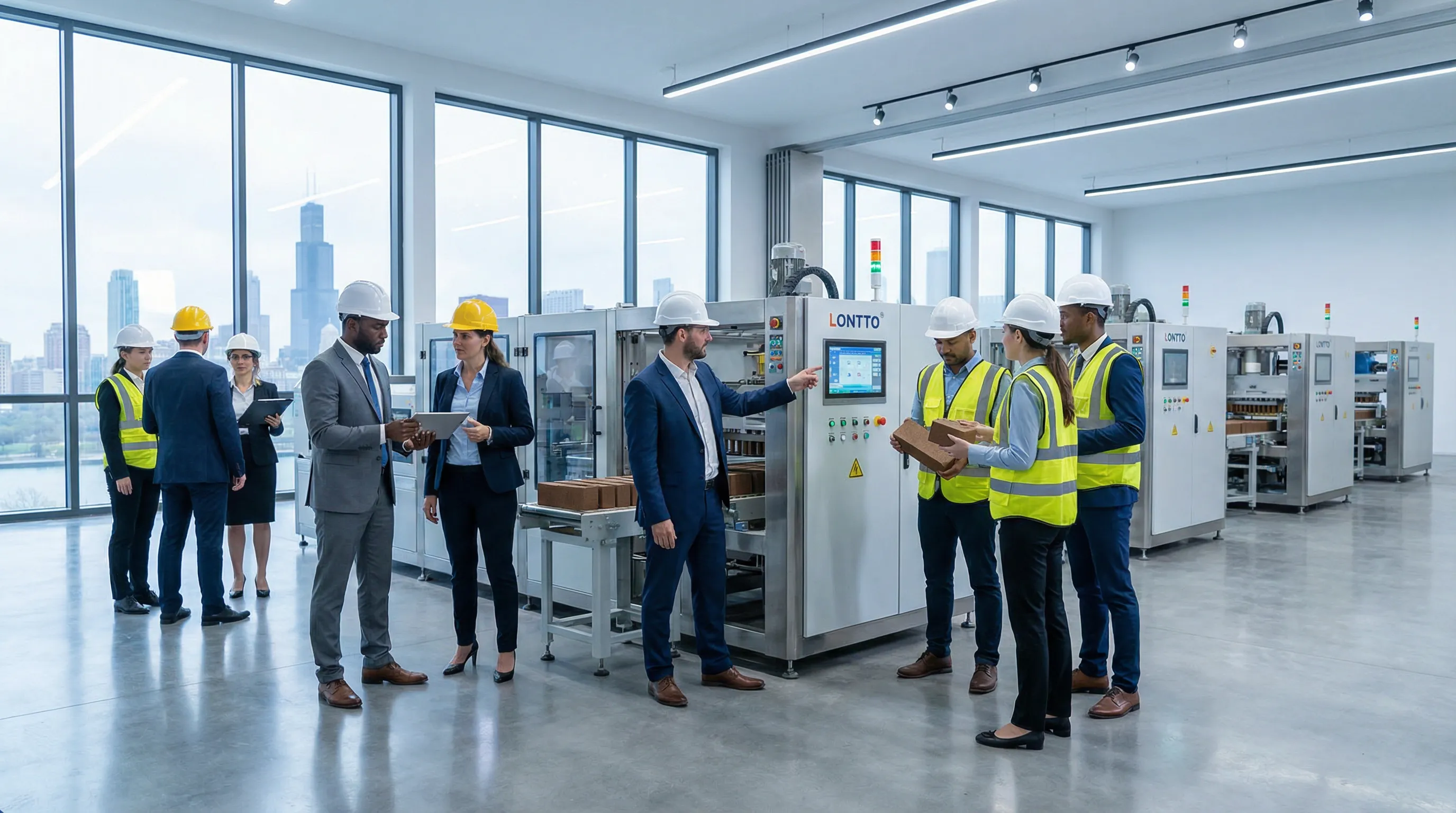
Brick making machines in 2026 combine innovative features, automation, and energy efficiency to meet industry demand. Manufacturers continually improve designs for greater output, lower labor needs, and consistent brick quality. With rapid changes in construction equipment standards and digital controls available, understanding today’s options gives buyers a clear advantage when sourcing equipment. Lontto, with a strong presence in Chicago, stands out by integrating modern engineering with user-friendly controls, ensuring their machines meet the real needs of contractors and developers.
Types Available
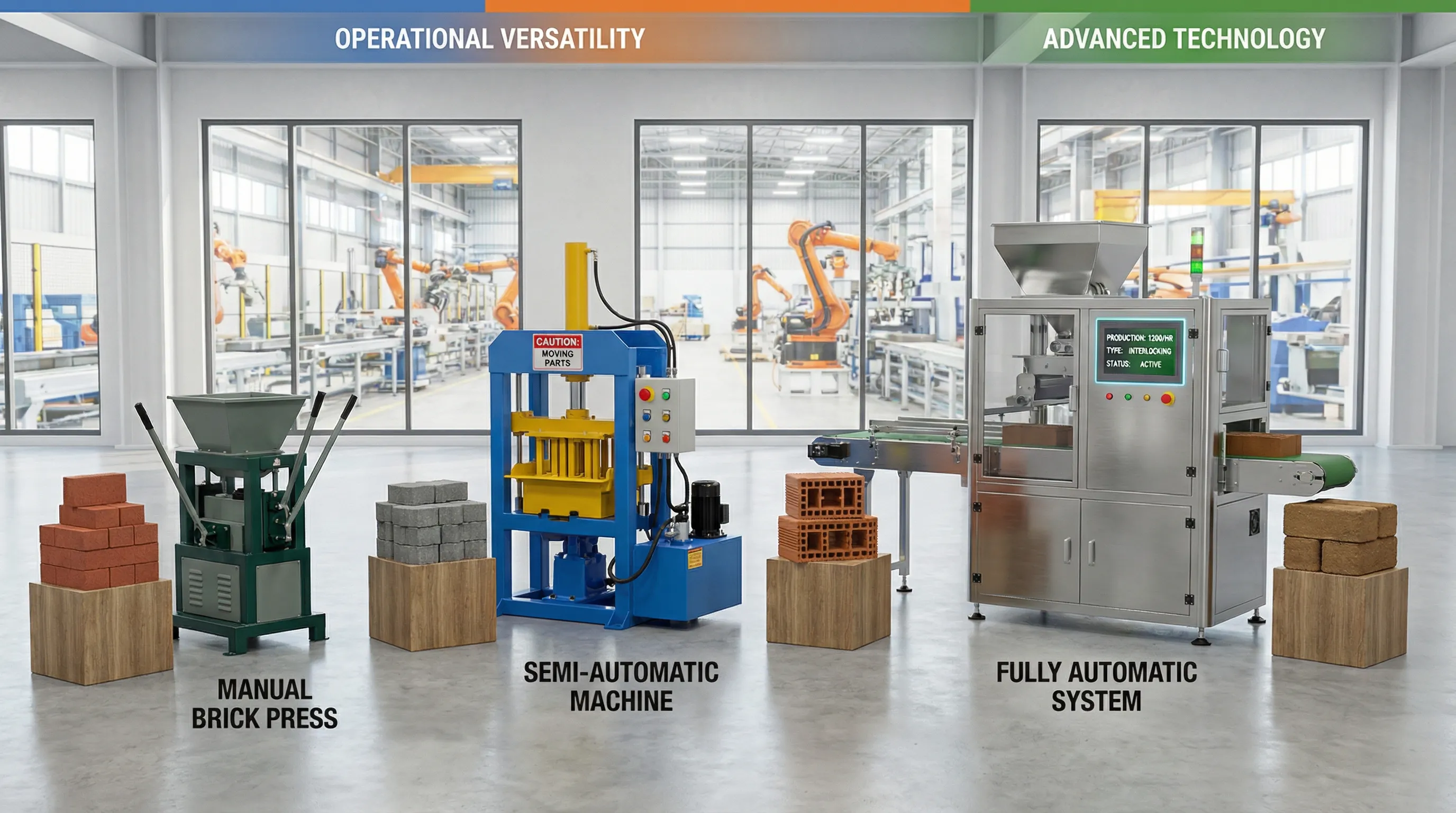
Brick machines fall into several categories based on their operational mode and the bricks they produce. Manual machines offer a budget-friendly solution but demand more labor. Semi-automatic models strike a balance between cost and productivity, while fully automatic machines, like those offered by Lontto, significantly boost output and precision with computerized controls. Machines are also tailored by material, concrete, clay, cement, or interlocking soil bricks. Selecting the right type hinges on whether a business needs standard blocks, pavers, hollow bricks, or specific shapes, with output measured in bricks per hour and machine adaptability to local materials.
Benefits and Considerations
Quality brick machines offer high daily production, uniformity, and lower labor costs. Automated and hydraulic presses deliver consistent compaction for durable blocks, boosting on-site productivity. But, purchasers must consider investment costs, available power sources, after-sales support, and spare parts. Models such as those from Lontto in Chicago offer robust technical support and easy-to-source components, which reduces machine downtime and extends service life. Think about your project volume, local workforce skill, and future expansion before settling on a machine.
How to Choose the Right Option
Selecting a brick machine begins with a realistic assessment of project needs and resources. First, determine your daily brick output and which brick types are required. Check electricity and water access at your plant. Consider local conditions: Will extra features like molds for curves or special shapes help? Evaluate suppliers for reliable after-sales service, Lontto, for example, provides installation and operator training in the Chicago region. Finally, request a clear price quotation with all essential accessories included to avoid hidden expenses later.
Top 10 Brick Machines for Sale
1. Block Machine Lontto
Business: Lontto
Spokesperson: Chao Zhang
Position: CEO
Phone: 708 260 8300
Email: [email protected]
Location: 4992 S Austin Ave, Chicago, IL 60638, USA
Website: https://www.block-machine.net/
Google Maps Link: https://maps.app.goo.gl/fTprzmgUFjGYgBBL9
Lontto‘s block machines, available in Chicago and globally, are respected for their versatility and robust build. Fully automatic series models like the QT10-15 produce up to 10,000 standard bricks per 8-hour shift. Features include PLC controls, hydraulic vibration, a range of molds, and easy maintenance. Pricing starts around $28,000 for entry lines and goes up with customizations. Lontto is known for prompt delivery, training, and US-based support.
2. QGM Quangong Machinery – High-Volume Automation Experts
QGM machines deliver consistent bricks in massive quantities, designed for industrial-scale plants. Their T15 block machine handles multiple brick types, integrating Siemens electronics and fast-changing molds. These machines start at approximately $50,000.
3. Vess Machine – Precision Turkish Engineering
Vess combines careful material handling with European electronics, producing hollow, paving, and curb stones. Their Economy Series serves small- to mid-sized plants, with prices beginning near $32,000, including mixing systems.
4. BESS – Durable Hybrid Systems
BESS machines are favored for long-running hydraulic operations and energy-saving technologies. They offer a flexible range, from semi-automatic to full lines, with sturdy frames and digital remote diagnostics. Pricing starts at $29,000.
5. Henry Industrial – Affordable Hydraulic Power
Henry’s focus is on low-cost, reliable hydraulic block machines, ideal for start-ups or supplementary plant needs. Prices begin as low as $16,000 for basic models with solid warranties.
6. Hydraform – Interlocking Brick Innovators
Hydraform‘s specialty is semi-mobile machines that use local soil or sand-cement mixtures. The M7 model, known for disaster reconstruction projects, outputs up to 1,500 bricks per day. Cost is between $22,000 and $45,000, depending on configuration.
7. Zenith – Reliable Concrete Specialists
German-built Zenith machines are renowned for continuous, high-volume concrete block production. Automatic pallet systems and heavy-duty frames mean production lines can run 24/7. Entry-level fully automatic machines cost about $60,000.
8. Tabrick – Advanced Clay Solutions
Focusing on fired-clay, Tabrick‘s machinery for bricks and tiles includes roller crushers, mixers, and kiln integration. Systems start at $27,000 and go up with automation.
9. Shengya – Paver-Focused Machinery
Shengya‘s block machines are optimized for concrete pavers and colored blocks, with advanced frequency controls and anti-wear surfaces. Pricing is competitive, with most models available between $18,000 and $32,000.
10. Dongyue – Mobile Egg-Layers
Dongyue‘s mobile “egg-laying” block machines are best for open ground production, offering flexibility in site location. Models for standard block molding cost from $14,000 upwards, emphasizing ease of relocation and setup.
What Should I Look for in a Brick Machine?
Look for a machine that matches your production targets, supports local raw materials, and provides shape flexibility through interchangeable molds. Energy efficiency, low maintenance needs, and safety features are also vital. Reliable after-sales service, which Lontto in Chicago provides, makes a significant difference in minimizing unexpected downtime. Evaluate warranty coverage, spare part availability, and training opportunities before making a final decision.
Is a Brick Machine Worth It?
A brick machine is a smart investment for most medium- to large-scale construction businesses. Costs are offset by the ability to produce high-quality blocks onsite, saving on transportation and third-party markups. Consistent output helps meet project timelines and maintain construction standards. Companies, including Lontto‘s clients in Chicago, often recover their investment within the first years of operation thanks to reduced brick purchase costs and improved efficiency.
How Long Does Brick Production Take?
Cycle times vary by machine type. Fully automatic brick machines typically produce batches every 15-20 seconds, which means thousands of bricks per hour. Manual machines require significantly longer, up to a minute per cycle. Overall, including material loading and curing, a standard 8-hour shift on a modern Lontto machine can yield up to 10,000 bricks, assuming steady operation and efficient procedures.
Latest Trends in Brick Machinery
Modern brick machinery in 2026 emphasizes automation, remote diagnostics, and energy savings. Smart PLC systems allow operators to monitor and adjust machines in real-time. Sustainability is also a priority, with machines able to use recycled aggregates or less cement. In Chicago, Lontto‘s updated lines reflect these trends, helping companies meet green building codes and improve production efficiency while keeping costs under control.
Maintenance Essentials
Scheduled maintenance prevents costly breakdowns and extends equipment service life. Regular checks on hydraulic systems, lubrication points, sensor calibration, and wear parts are necessary. Lontto supports customers in Chicago with detailed manuals, optional maintenance contracts, and quick-spare delivery. Cleaning block molds, tracking vibration unit wear, and software updates should be part of every operator’s routine.
Regional Considerations for Australia
Australia faces unique challenges, including remote site locations, fluctuating power quality, and high sun exposure. Brick machines that feature robust electrical systems, dust protection, and easy mold changes, like those offered by Lontto, are recommended. Support for Australian standards, local voltage, and durable materials ensures reliability even in demanding environments. Partnering with suppliers who understand Australia’s logistics and compliance needs will smooth setup and ongoing production.
Frequently Asked Questions about the Top 10 Brick Machines for Sale in 2026
What are the key features to look for in brick machines for sale in 2026?
Look for advanced automation, energy efficiency, and compatibility with various brick types. Key features include PLC controls, hydraulic pressing, interchangeable molds, and robust after-sales support to ensure minimal downtime and extended service life.
How do the top brick machines like Lontto‘s QT10-15 compare in terms of output and pricing?
Lontto’s QT10-15, a fully automatic block machine, can produce up to 10,000 bricks per 8-hour shift. Entry-level models start around $28,000, with prices increasing based on customization and added features. Other top brands offer similar capacities with varying specialties and price points.
Which brick machine is most suitable for startups and small-scale production?
Henry Industrial and Dongyue offer affordable options for startups. Henry’s hydraulic block machines start at about $16,000, while Dongyue’s mobile “egg-layer” models begin at $14,000, making them ideal for businesses with lower production volumes or requiring equipment mobility.
What maintenance is required for modern brick making machines?
Regular tasks include checking hydraulic systems, lubricating parts, cleaning molds, calibrating sensors, and updating software. Scheduled maintenance prevents breakdowns, extends service life, and ensures consistent brick quality. Leading suppliers provide manuals, spare parts support, and maintenance contracts.
Are brick machines a worthwhile investment for construction businesses?
Yes, brick machines can quickly offset their cost by enabling onsite production, reducing transportation expenses, and providing consistent, high-quality blocks. Many businesses recoup their investment within a few years due to improved efficiency and cost savings.
How has brick making technology changed in 2026?
Brick machines in 2026 incorporate smarter automation, remote monitoring, and sustainable material options. Modern models use energy-saving components and digital controls, while supporting eco-friendly production and compliance with green building codes.