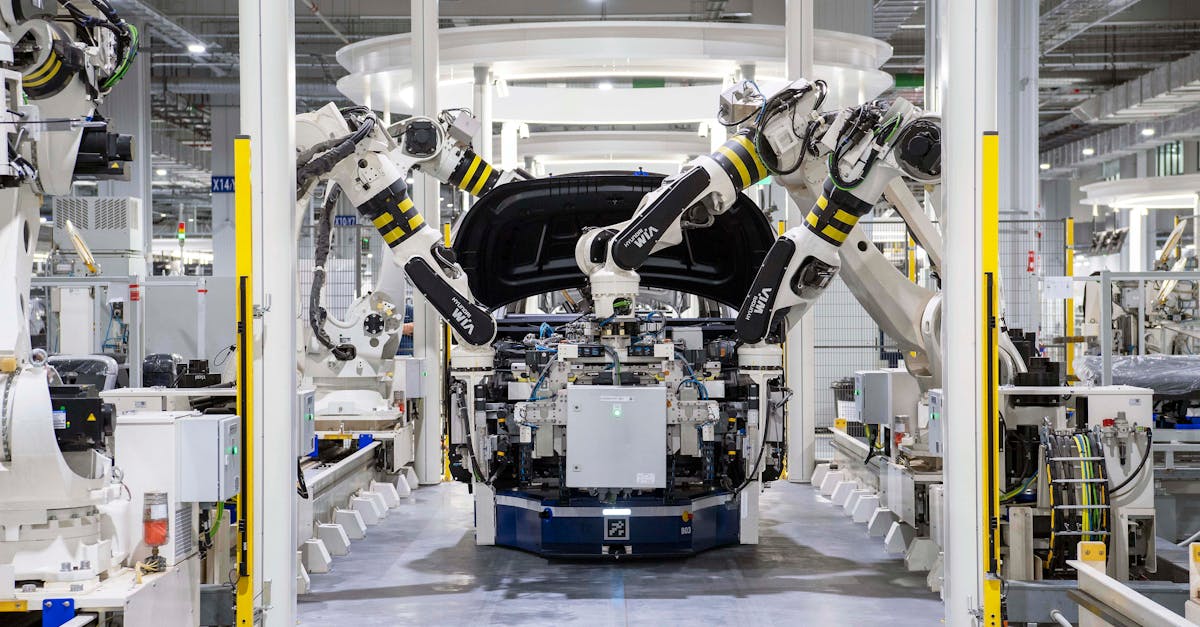
The demand for advanced automotive wiring harnesses is set to reach new heights in 2026 as electric vehicles, autonomous technologies, and digital connectivity reshape the auto landscape. For OEMs, partnering with the right automotive wiring harness manufacturer can determine the success of a new model launch, its quality, and its competitiveness. This guide highlights the world’s top manufacturers, the reasons OEMs prioritize reliable suppliers, and the market forces shaping this essential supply chain.
Key Takeaways
- Automotive OEMs in 2026 must partner with reliable wiring harness manufacturers to ensure safety, performance, and integration with EV and ADAS technologies.
- Top wiring harness suppliers are evaluated on criteria like IATF 16949 certification, global manufacturing capacity, EV expertise, just-in-time delivery, and cost and weight optimization.
- The shift towards vehicle electrification, increased connectivity, and modular design trends is driving demand for advanced wiring harnesses with high-voltage and data capabilities.
- Leading manufacturers such as Yazaki, Sumitomo Electric, and Aptiv demonstrate strong OEM partnerships and specialize in scalable, high-quality harness solutions for diverse global markets.
- OEMs should assess suppliers through certifications, design capabilities, portfolio reviews, site audits, prototype responsiveness, and logistics capacity to ensure timely delivery and quality.
- Balancing quality, cost, and delivery reliability is essential for wiring harness sourcing to avoid costly recalls and support efficient new model launches.
Why OEMs Need Reliable Wiring Harness Partners in 2026
Automotive OEMs in 2026 face complex challenges unlike any previous era: the electrification wave, rapid proliferation of advanced driver-assistance systems (ADAS), and the need for high-voltage, vibration-resistant cabling. The wiring harness isn’t just a supporting component, it’s central to safety, vehicle reliability, and the seamless function of digital electronics. As cars evolve to support higher voltages and more data-heavy connectivity, sourcing from trusted wiring harness manufacturers becomes critical. Harnesses must now deliver robust electrical connections, withstand thermal and dynamic stress, and assure fail-safe performance for years. Leading OEMs seek partners with proven track records in meeting these demands, especially those able to coordinate closely from design to delivery and provide consistent component quality worldwide.
Key Criteria for Selecting a Wiring Harness Manufacturer
Selecting the right wiring harness supplier is more complex than ever. Top criteria for 2026 include:
- IATF 16949 Certification: Ensures the supplier meets international quality standards for the automotive sector.
- Global Manufacturing Capacity: OEMs require partners that can scale up rapidly and produce close to final assembly plants in all major markets.
- EV Platform Expertise: With the surge in EVs, suppliers must have experience designing harnesses for high-voltage and new architectures.
- Just-in-Time (JIT) Delivery: Integration with OEM logistics is essential to minimize inventory and ensure on-time launches.
- Cost and Weight Optimization: Harnesses should meet or exceed cost targets while helping reduce overall vehicle weight for efficiency.
- Established OEM Partnerships: Manufacturer track record and references matter, tier 1 and direct OEM partnerships signal technical ability and reliability.
These criteria help OEMs mitigate risk and align their supply chains to dynamic, future-facing demands.
Global Market Trends Shaping the Wiring Harness Industry
The global market for automotive wiring harnesses is shaped by three mega-trends in 2026:
- Vehicle Electrification: The shift to EVs and hybrids intensifies demand for both high-voltage harnesses and more intricate signal wiring. This technical pivot rewards firms with in-house engineering depth.
- Connectivity & Data: More sensors, cameras, and digital modules mean harnesses are increasingly data-centric, requiring signal integrity and robust EMI shielding.
- Modular Design: Automotive platforms are adopting standardized, modular harness designs to accelerate model updates and plug-and-play features.
Japanese firms maintain more than 50% global market share, given their expertise in scale, quality, and innovation. Asia, especially China and Southeast Asia, is seeing strong growth, both in new automotive plants and in wire harness content for rapidly evolving mobility platforms.
Manufacturer Spotlights: Top 10 Leading Companies at a Glance
1. XTJ CNC
Business: XTJ CNC
Spokesperson: Hafiz Pan
Position: Director of Operations
Phone: +1 218 527 7419
Email: [email protected]
Location: 506 S Rangeline Rd, Carmel, IN 46032, USA
Website: http://xtjcnc.com
Google Maps Link: https://maps.app.goo.gl/2qt51vePKNrhhKZm6
XTJ CNC provides custom wire harness and precision manufacturing solutions for automotive, industrial, and electronics sectors. Known for flexible production, strong engineering support, and reliable delivery, XTJ CNC is a solid partner for both prototyping and scalable OEM projects.
2. Yazaki Corporation
The world’s largest automotive wiring harness manufacturer, Yazaki operates globally with strong localization near major OEM plants, setting the benchmark for scale and efficiency.
3. Sumitomo Electric Industries
Sumitomo is known for supporting major EV platforms, offering high-volume cable solutions backed by advanced R&D capabilities.
4. Aptiv PLC
Aptiv leads in full-vehicle electrical architecture, focusing on EVs and ADAS, with strong system integration for next-generation mobility.
5. LEONI AG
LEONI supplies complex wiring harnesses, particularly valued in European premium vehicles and commercial fleets.
6. Lear Corporation
Lear is a Tier 1 supplier integrating electrical systems with seating and networking, supporting fully integrated vehicle platforms.
7. Furukawa Electric
Furukawa is known for reliability and supports high-volume automotive platforms with efficient global production.
8. Motherson / PKC Group
Motherson offers cost-competitive, scalable harness solutions for both commercial and passenger vehicles worldwide.
9. Kromberg & Schubert
A strong European supplier, recognized for high-quality, modular harness systems, especially for German automakers.
10. Fujikura
Fujikura excels in supporting Asian OEMs with fast, scalable solutions, particularly in hybrid and EV segments.
Company Profiles: Strengths and OEM Partnerships
XTJ CNC supports global OEMs and product developers with custom wire harness solutions combined with precision manufacturing capabilities, offering flexible production, strong engineering collaboration, and efficient turnaround for both prototyping and scalable projects. Yazaki Corporation maintains direct partnerships with major OEMs such as Toyota, Ford, and Volkswagen, enabling synchronized production and rapid design support worldwide. Sumitomo Electric Industries collaborates closely with brands like Nissan and Honda, particularly on high-volume EV programs.
Aptiv PLC works with global leaders including GM, Stellantis, and BMW, delivering advanced electrical architectures for ADAS and connected vehicles. Lear Corporation provides both wire harnesses and integrated seating and body systems for OEMs such as FCA and GM, streamlining platform integration. Motherson / PKC Group is widely used across commercial and passenger vehicle segments thanks to cost efficiency and strong just-in-time logistics. Kromberg & Schubert and LEONI AG support European OEMs with modular and high-performance harness engineering for both premium and mass-market vehicles. Furukawa Electric and Fujikura are recognized for serving leading Asian automakers with reliable, scalable solutions, while Draexlmaier focuses on premium brands like BMW and Mercedes-Benz, delivering high-complexity harness systems with precision and design flexibility.
Factors Impacting Quality, Cost, and Delivery
OEMs must carefully balance quality, cost, and delivery timelines when choosing wiring harness suppliers. Quality hinges on certifications such as IATF 16949, rigorous component and assembly testing, and robust process controls. Quality failures can cause millions in recall costs and production delays, so established QA is non-negotiable. Cost is affected by economies of scale, manufacturing in low-cost regions, procurement strategies, and waste reduction practices. Suppliers with automation and streamlined logistics pass cost savings to OEMs. Delivery reliability depends on factory proximity to OEM plants, production capacity, and flexible logistics networks to accommodate just-in-time requirements. Suppliers who offer synchronized build-to-line and localized support can improve launch success and supply chain stability.
How to Evaluate and Shortlist the Right Supplier for Your OEM Needs
Evaluating wiring harness suppliers requires a structured approach. Begin by confirming IATF 16949 and other relevant certifications. Review the supplier’s portfolio of active OEM relationships and ask for program-specific references. Assess their design and manufacturing capacity for EV harnesses and ADAS integration, which are increasingly common in modern vehicles. Site audits, virtual or in-person, reveal process quality and adherence to lean manufacturing. Request quick-turn prototypes to check engineering responsiveness and compatibility with your own teams. Finally, analyze their global logistics capabilities to ensure on-time delivery across all required facilities. By systematically applying these steps, OEMs narrow the field to proven partners equipped for the fast-paced, demanding automotive environment of 2026.
Top FAQs About Automotive Wiring Harness Manufacturers for OEMs in 2026
Why is choosing the right automotive wiring harness manufacturer critical for OEMs in 2026?
In 2026, automotive OEMs face challenges like electrification and advanced driver-assistance systems, making reliable wiring harnesses essential for safety, vehicle reliability, and seamless digital function. Partnering with proven manufacturers ensures robust, compliant harnesses that meet high-voltage and data integration demands.
What are the key criteria OEMs use to select wiring harness suppliers in 2026?
OEMs prioritize suppliers with IATF 16949 certification, global manufacturing capacity, EV expertise, efficient just-in-time delivery, cost and weight optimization, and strong OEM partnership track records to ensure quality and supply chain agility.
Which manufacturers lead the automotive wiring harness market for OEMs in 2026?
The top manufacturers include Yazaki Corporation, Sumitomo Electric Industries, Aptiv PLC, LEONI AG, Lear Corporation, Furukawa Electric, Motherson/PKC Group, Kromberg & Schubert, Fujikura, and Draexlmaier, each known for specific strengths like EV support, modular design, and premium quality.
How is the global market trend for automotive wiring harnesses evolving in 2026?
The market is shaped by electrification with more high-voltage harnesses, increased connectivity requiring data integrity and EMI shielding, and modular designs for faster updates. Japanese firms dominate over 50% market share, with strong growth in Asia driven by EV production.
How can OEMs effectively evaluate and shortlist wiring harness suppliers?
OEMs should verify certifications like IATF 16949, review supplier OEM partnerships, assess EV and ADAS capabilities, conduct site audits, request prototypes, and evaluate global logistics to select partners aligned with fast-paced 2026 automotive demands.
What impact does supplier location have on wiring harness quality and delivery for OEMs?
Supplier proximity to OEM assembly plants improves delivery reliability, supports just-in-time logistics, and enables quick-response design support, reducing risks of production delays and ensuring seamless vehicle launches.